Orthodontic Treatment at Asante Dental Centre
Orthodontic treatment focuses on improving how teeth align and function together, helping support comfortable chewing, easier cleaning, and long-term oral health. At Asante Dental Centre, orthodontic care is planned with stability, comfort, and oral health in mind. When teeth or jaws are misaligned, everyday activities such as chewing, speaking, and cleaning can become more difficult.
Early orthodontic care can help reduce uneven tooth wear and unnecessary strain on the gums and jaw. Patients seeking orthodontic treatment in New Westminster often visit due to concerns such as crowding, bite imbalance, or spacing issues. A comprehensive evaluation helps determine whether orthodontic care is appropriate and which approach best supports individual needs.
Treating Crowded Teeth
Crowded teeth develop when there is not enough space in the jaw for teeth to align properly. This can make brushing and flossing difficult and increase the possible risk of cavities and gum inflammation. Orthodontic treatment gently guides teeth into healthier positions, improving function and long-term oral health.
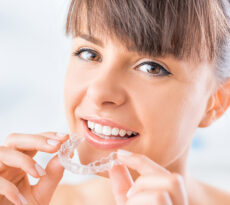
For patients interested in discreet options, Invisalign in New Westminster may be recommended in appropriate cases. Clear aligners can help manage crowded teeth while supporting daily oral hygiene throughout treatment.
Deep Bite Correction
A deep bite occurs when the upper front teeth excessively overlap the lower teeth. Over time, this imbalance may contribute to enamel wear, jaw discomfort, and irritation of the gums or palate. Deep bite correction focuses on improving how the upper and lower teeth meet to help distribute bite forces more evenly.
Treatment planning depends on how the teeth and jaws align, as well as how the bite functions during everyday use. Addressing a deep bite early can help protect teeth and support long-term oral health.
Crossbite Correction
A crossbite happens when one or multiple upper teeth sit within the lower teeth instead of the outside. This misalignment may affect chewing efficiency and jaw development. Crossbite correction aims to guide teeth into a healthier relationship and reduce strain on teeth and jaw joints.
Depending on the case, orthodontic crossbite correction may involve aligners, braces, or other orthodontic appliances to achieve balanced alignment.
Orthodontic Treatment Options
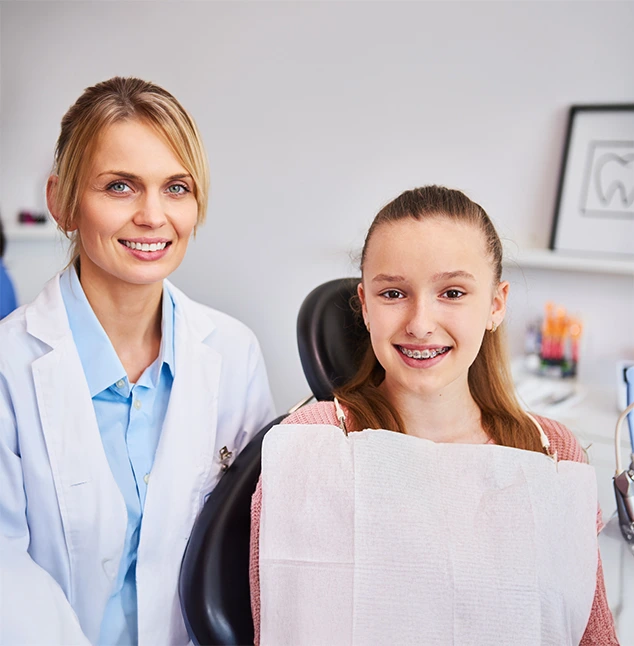
Orthodontic care may include traditional braces or clear aligner systems, depending on individual needs. Each option is discussed in detail so patients understand how treatment may affect comfort, timing, and long-term results. The goal of orthodontic treatment is improved bite function, healthier alignment, and easier daily oral care.