
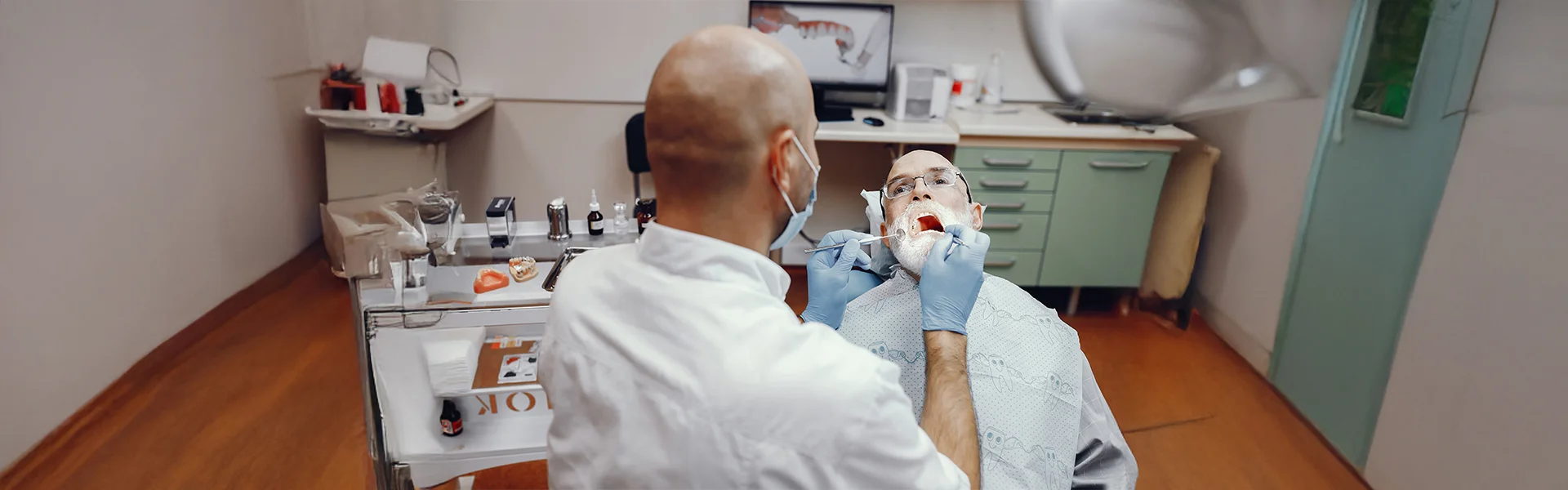
When Is a Tooth Extraction Necessary? Signs You Shouldn't Ignore
Introduction
Dentists always try to preserve natural teeth, but in some cases, removal becomes the safest option. Ignoring ongoing symptoms or delaying care can allow dental problems to worsen, leading to infection, pain, or damage to nearby teeth. Certain tooth extraction warning signs indicate that a tooth may no longer be healthy or stable. Understanding when extraction may be necessary helps you seek care early and protect your overall oral health.
Why Dentists May Recommend Tooth Removal
Tooth extraction is usually recommended only after other treatment options have been ruled out. The goal is not simply to remove a problem tooth, but to prevent it from affecting the rest of your mouth.
Common reasons extraction may be advised include:
- Extensive decay that cannot be restored
- Deep infections that compromise the tooth or bone
- Severe cracks extending into the root
- Advanced gum disease causing looseness
- Overcrowding that interferes with proper bite function
In these situations, removing the tooth helps stop the spread of bacteria and lessens the risk of more serious complications.
Signs That a Tooth May Need to Be Extracted
Dental issues often develop gradually, which makes early symptoms easy to overlook. However, certain signs suggest that a tooth may no longer be viable.
Symptoms that shouldn’t be ignored include:
- Ongoing or intense tooth pain
- Swelling in the gums, jaw, or face
- Repeated infections or abscess formation
- A tooth that feels loose without injury
- Pain or pressure when biting
- Cracks that extend below the gumline
If you find yourself searching for tooth extraction near me, these symptoms may indicate the need for prompt dental evaluation.
Can Tooth Infections Lead to Extraction?
Tooth infections occur when bacteria reach the inner pulp of the tooth. While many infections can be managed with root canal treatment, some become too advanced to save the tooth.
Extraction may be necessary when:
- Infection has destroyed a huge portion of the tooth
- Surrounding bone shows signs of damage
- Infections return after previous treatment
- There is a risk of the infection spreading
Because dental infections can affect more than just the mouth, it’s important to see a dentist near you as soon as symptoms appear.
When a Cracked or Broken Tooth Can’t Be Preserved
Not every cracked tooth must be removed. Minor damage can often be repaired with restorative treatments. However, extraction may be recommended if the fracture:
- Reaches below the gumline
- Splits the tooth vertically
- Compromises the root
- Leads to repeated pain or infection
In these cases, attempting to preserve the tooth may cause more harm than benefit. A dental examination helps determine whether repair or removal is the safest option.
How Gum Disease Can Result in Tooth Extraction
Advanced gum disease gradually weakens the tissues and bone that support the teeth. As this support breaks down, teeth can become unstable and painful.
Extraction may be required if:
- Bone loss has reduced tooth stability
- Infection affects surrounding structures
- Deep gum pockets cannot be treated effectively
- The tooth poses a risk to neighbouring teeth
Early periodontal care can often prevent this outcome, which is why regular checkups play such an important role.
Is Tooth Extraction Sometimes Urgent?
Yes, in some situations, immediate dental attention is required. Urgent extraction may be necessary if you experience:
- Severe or worsening pain
- Facial swelling or fever
- Signs of spreading infection
- Trauma causing tooth displacement or fracture
In these cases, contacting a dentist in New Westminster promptly helps reduce complications and supports safer treatment.
What Happens During an Extraction Assessment
Before recommending removal, a dentist will carefully evaluate your condition. This typically includes:
- A clinical examination of the tooth and gums
- Dental X-rays to assess root and bone health
- Discussion of possible alternatives
- Clear explanation of the extraction process and recovery
When extraction is necessary, the focus remains on patient comfort, safety, and proper healing.
Frequently Asked Questions
Author's Bio

Dr. Hussein Shivji
DMD
Dr. Hussein Shivji DMD performs extractions with gentle care to support oral health. Each procedure is approached with attention to safety and patient comfort. Healing guidance and follow-up care support recovery. Tooth Extractions in New Westminster, BC are provided by Dr. Shivji when removal is clinically necessary.
Final Words
Tooth extraction is recommended only when truly necessary, but recognizing warning signs early can help prevent serious oral health issues. Timely evaluation helps ensure the safest treatment and protects the rest of your smile. If you’re experiencing symptoms that may require tooth extraction in New Westminster, Asante Dental Centre offers careful assessments and patient-focused guidance to support your long-term dental health.